Lithium Battery Price in Pakistan 2026: Full Guide
For years, Pakistani solar buyers treated the battery as an afterthought — whatever lead-acid unit the installer threw in at the end of the quote. That has changed fast. Searches for lithium battery price in Pakistan have climbed sharply over the past two years as buyers realize the battery, not the panel, is usually what determines whether a solar system is still useful three years after installation. This piece looks at the technology side of the decision: what is actually different about lithium chemistry, what it costs in 2026, and why the specs matter more than the sticker price.
Lead-Acid vs Lithium: The Technical Difference That Actually Matters
Lead-acid batteries (including sealed/gel variants) store energy through a chemical reaction that degrades noticeably every time the battery is deeply discharged. Lithium iron phosphate (LiFePO4) batteries use a fundamentally different chemistry that tolerates deep, repeated discharge cycles with far less degradation. In practical terms, that means a lithium battery can usually be discharged to 80–90% of its capacity repeatedly, while a lead-acid battery should rarely be taken below 50% without shortening its life significantly.
Why This Changes the Real-World Math
A 100Ah lead-acid battery effectively gives you about 50Ah of safely usable capacity. A 100Ah lithium battery gives you 80–90Ah of usable capacity. That means a lithium battery rated at the same nominal capacity delivers nearly double the real backup power — which is the main reason the higher upfront lithium battery price in Pakistan still works out cheaper per usable kilowatt-hour over the system’s lifetime.
2026 Lithium Battery Price Ranges
Pricing varies by cell quality, BMS (battery management system) sophistication, and brand reputation, but current 2026 retail ranges in Pakistan look roughly like this:
| Battery Spec | Usable Capacity | Approx. Price (PKR) | Typical Cycle Life |
|---|---|---|---|
| 12V 100Ah LiFePO4 | ~85Ah | Rs 58,000–75,000 | 3,000–4,000 cycles |
| 24V 100Ah LiFePO4 | ~85Ah | Rs 110,000–140,000 | 3,000–5,000 cycles |
| 48V 100Ah LiFePO4 (stacked) | ~85Ah | Rs 220,000–280,000 | 4,000–6,000+ cycles |
By comparison, a 12V 100Ah lead-acid battery typically costs Rs 25,000–35,000 but needs replacing roughly every 2–3 years under regular solar cycling, while a well-specified lithium unit can realistically last 8–12 years.
What to Check Beyond the Price Tag
- BMS quality: the battery management system handles cell balancing, overcharge protection, and temperature cutoffs — a cheap or missing BMS is the most common cause of premature lithium battery failure.
- Cell source: batteries built with recognized cell brands (such as CATL or similar tier-1 manufacturers) tend to perform far more consistently than batteries using unbranded or recycled cells.
- Depth of discharge rating: confirm what percentage of capacity the manufacturer actually recommends using day to day, not just the theoretical maximum.
- Communication protocol: if you want the battery to talk to your hybrid inverter (for accurate state-of-charge readings), check that the battery and inverter brands are confirmed compatible.
How Many Battery Units Does a Typical Home Need?
- Calculate your evening/night-time load in watts (lights, fans, router, TV, fridge compressor cycling).
- Multiply by the number of backup hours you want covered after sunset.
- Divide by your battery’s usable voltage and capacity to get the number of units required.
- Add roughly 15–20% buffer capacity, since batteries lose a small amount of efficiency as they age.
Most 5kW residential hybrid setups in Pakistan currently pair with one or two 48V stacked lithium units to cover a full night of moderate household use.
Buying From a Company That Understands the Technology
Battery chemistry is one area where it genuinely pays to buy from a solar company in Pakistan that can explain BMS specifications and cycle-life data rather than just quoting a price per unit. When you are ready to compare options directly, check current lithium battery price in Pakistan listings with full spec sheets so you can compare usable capacity and warranty terms side by side, not just the headline Ah rating.
As with any specialized technical purchase, it is worth leaning on dependable specialists who can walk you through the fine print rather than relying on a sales pitch alone — the gap between a well-specified system and a poorly matched one usually only becomes obvious months after installation.
The Bigger Picture: Why Battery Chemistry Keeps Improving
According to the International Energy Agency’s battery technology analysis, global lithium-ion battery prices have fallen substantially over the past decade as manufacturing scale increased, a trend that continues to filter down into residential solar storage markets like Pakistan’s through 2026. That downward pressure on cell costs is a big part of why lithium has shifted from a premium add-on to the default recommendation for new solar installs.
Monitoring Apps and Firmware: The Software Side of the Battery
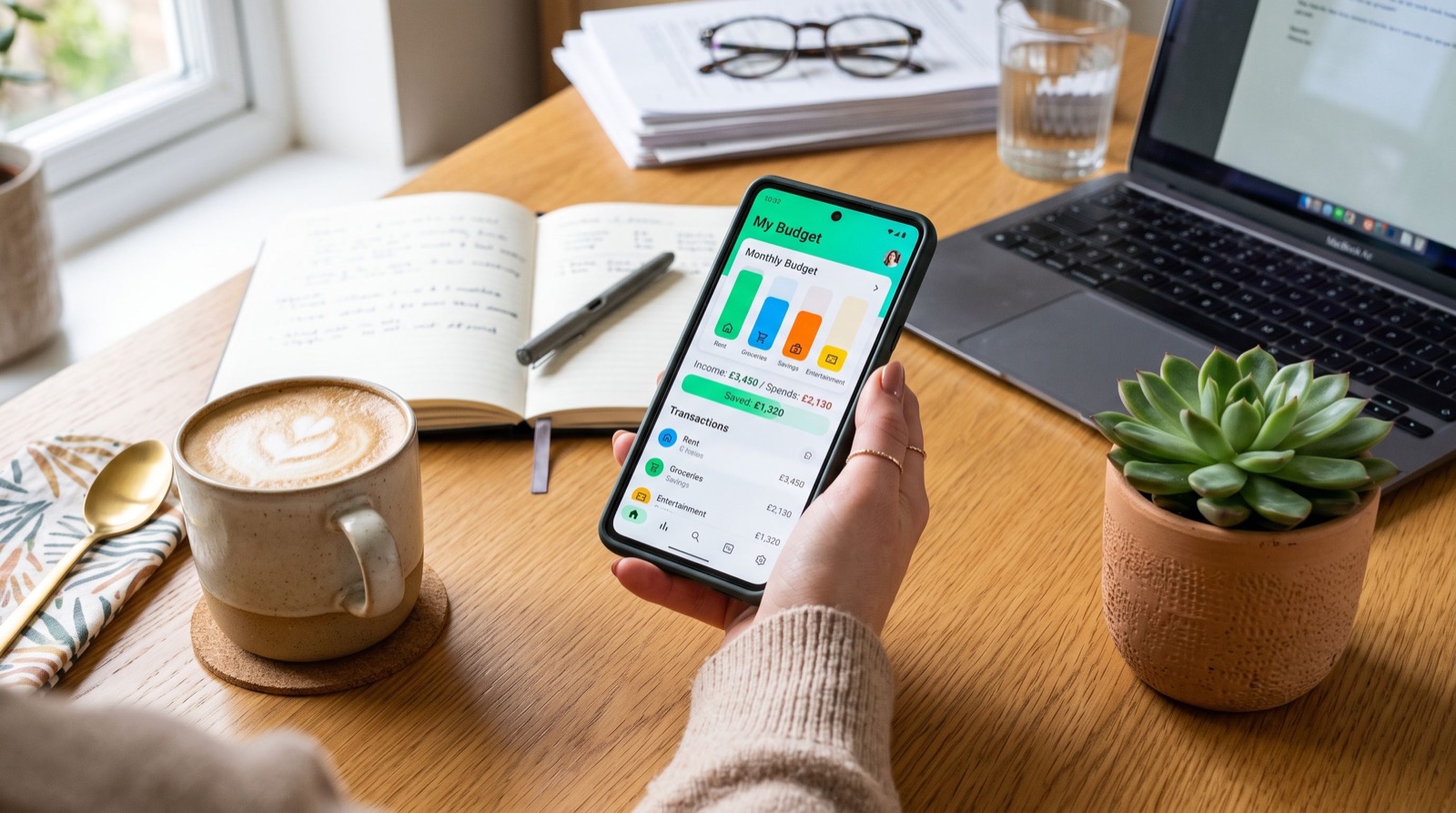
A detail many first-time buyers overlook is that most modern lithium battery packs ship with a companion smartphone app connecting over Bluetooth or Wi-Fi to the internal BMS. This is arguably as important as the cell quality itself, since the app is how you actually see what is happening inside the battery day to day.
Features worth checking before you buy:
- Real-time state of charge and voltage per cell group — lets you spot a failing or imbalanced cell group before it causes a full battery shutdown.
- Historical charge/discharge logs — useful for diagnosing whether your solar system is actually cycling the battery as expected on cloudy versus sunny days.
- Remote firmware updates — reputable manufacturers periodically push BMS firmware improvements that refine charge algorithms and temperature protection, extending effective battery life without any hardware change.
- Alerts for temperature or voltage faults — a good app pushes a phone notification before a fault becomes a full battery trip, giving you a chance to intervene.
Cheaper, unbranded battery packs frequently skip this software layer entirely, or ship with an app that stops receiving updates within a year. When comparing lithium options, ask specifically whether the manufacturer maintains active app and firmware support — it is a meaningful indicator of how seriously the company stands behind its hardware long after the sale.
Frequently Asked Questions
Is lithium battery price in Pakistan worth paying over lead-acid in 2026?
For most households planning to keep their solar system for more than four or five years, yes — the longer cycle life and higher usable capacity typically offset the higher upfront cost within that period.
How long does a lithium solar battery actually last day to day?
A well-specified LiFePO4 battery can provide 8–12 years of daily cycling before capacity degrades meaningfully, compared to roughly 2–3 years for a lead-acid battery under similar solar backup use.
Can I mix an old lead-acid battery with a new lithium battery?
No — the two chemistries charge and discharge differently, and mixing them in the same bank typically damages one or both batteries. Replace the full bank when switching chemistries.
Do lithium batteries need special maintenance?
Very little compared to lead-acid — no water top-ups and minimal sulfation risk — though keeping the battery within its rated temperature range and letting the built-in BMS manage charging is still important.
Final Takeaway
Battery technology has quietly become the most important line item in a solar budget, not an afterthought. Spend the time comparing usable capacity, BMS quality, and cycle life before you buy, and the extra research will pay for itself many times over the life of the system.