Relocating a business or clearing out a home in the Eastern Province brings one recurring headache: where does everything go while you transition? For companies in Dammam and Khobar, the answer usually involves short-term storage that keeps goods safe, organised, and instantly retrievable. This 2026 guide shows how to use storage strategically so a move never grinds your operation to a halt.
Storage as a Transition Tool, Not a Dumping Ground
The best operators treat storage as an active part of a relocation plan. Instead of piling everything into a random room, they stage items by priority: what must be accessed weekly, what can wait months, and what needs special conditions. Approached this way, a storage unit becomes a temporary operations base rather than a black hole for boxes.
This mindset matters most in the Eastern Province, where industrial activity, port logistics, and a large expat community keep goods constantly on the move. A well-planned storage buffer absorbs the chaos of relocation without disrupting daily work.
What Should Go Into Cold Storage During a Move?
Businesses handling food, beverages, or temperature-sensitive stock cannot simply park it in a warm warehouse for a few weeks. Even a short lapse in cooling can ruin perishable inventory in Dammam’s summer heat. That is why relocation plans for such companies must reserve refrigerated space from day one.
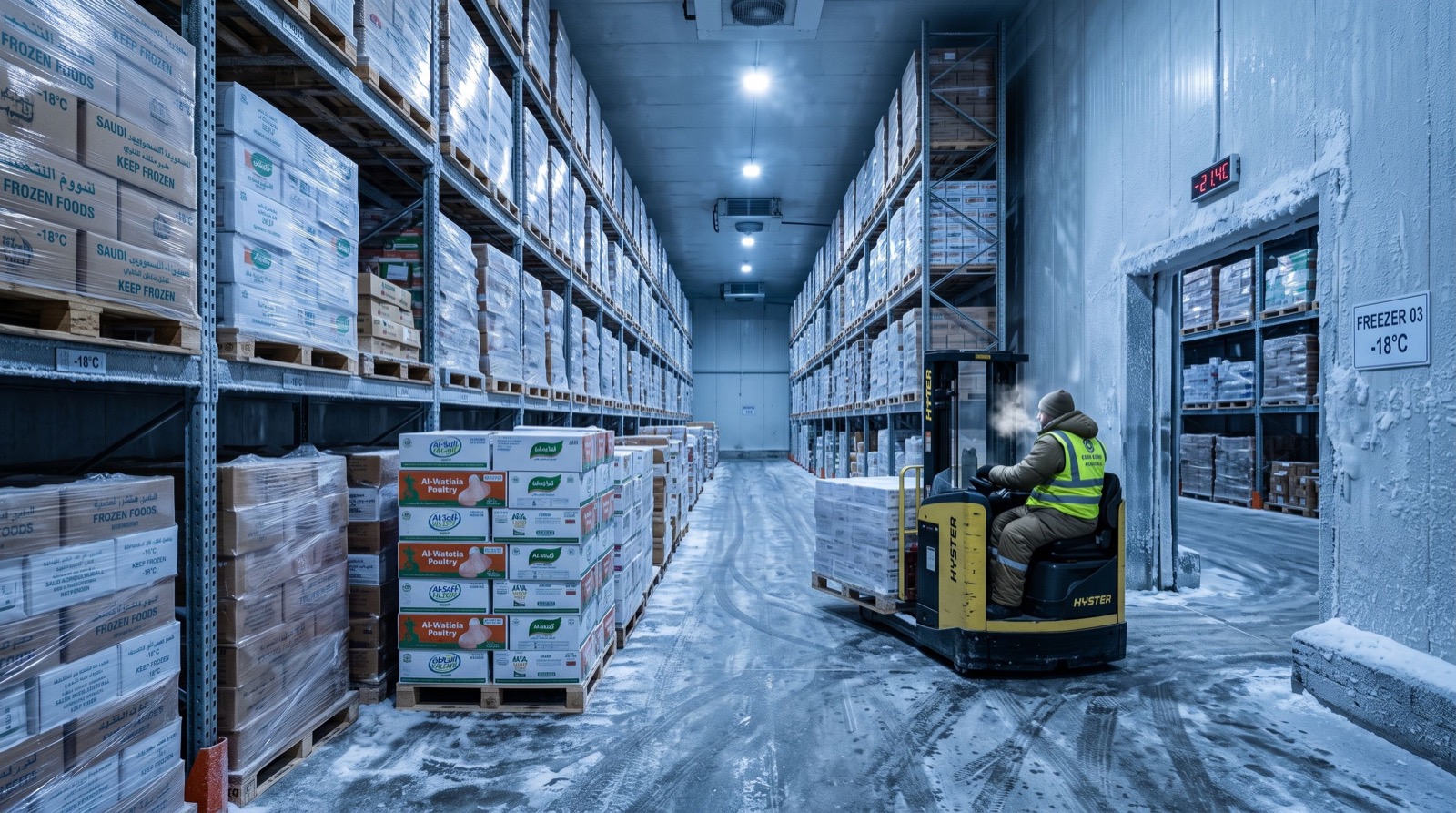
Facilities offering dedicated Frozen Storage in Dammam let food distributors, caterers, and importers hold perishables at safe temperatures throughout the transition, so nothing spoils while the new premises are prepared. Booking cold space early prevents the panic of last-minute searching when a truck is already loaded.
Perishable Handling Checklist
- Confirm the target temperature for each product line.
- Reserve cold space before packing day, not after.
- Move perishables in insulated, pre-cooled transport.
- Log temperatures at every handover point.
Specialised Storage for Specialised Stock
Cold goods are only one category with special needs. Retailers and brands often hold products that demand tailored conditions. Apparel businesses, for instance, must guard garments against dust, creasing, and humidity to keep them sale-ready. Purpose-built Storage for the Fashion Industry provides hanging systems and controlled environments designed for clothing rather than generic shelving.
The principle extends across sectors: documents need dry, secure archives; electronics need stable temperatures; and heavy equipment needs reinforced racking. Matching each category to the right space prevents damage and speeds retrieval when you reopen.
A tip drawn from real relocations: photograph high-value or fragile items before they go into storage. A quick photo record settles any dispute over condition later and helps your team repack items correctly when the move ends.
| Item Category | Storage Need | Risk If Ignored |
|---|---|---|
| Perishable food | Frozen / chilled | Spoilage and safety recalls |
| Apparel and textiles | Humidity-controlled hanging | Mould, creasing, dust damage |
| Documents | Dry, secure archive | Water damage, loss of records |
| Electronics | Ambient / climate control | Corrosion and component failure |
How Do You Keep Downtime Near Zero?
Downtime is the real cost of a badly planned move. Every day your stock is unreachable or your team is idle burns money. A phased approach keeps the business breathing throughout.
- Audit and label everything, tagging items by how soon you will need them.
- Split the move into waves so operations never stop entirely.
- Store frequently accessed items near the unit door.
- Keep a simple inventory map so anyone can find a box in minutes.
- Reopen critical functions first, then migrate the rest.
Executing this smoothly is far easier with an experienced local team that has managed staged relocations before and knows how to sequence packing, transport, and storage without gaps.
Security and Compliance in the Eastern Province
Storing business assets means taking security seriously. Look for facilities with CCTV, individual unit locks, controlled access, and fire protection. If you store food or pharmaceuticals, confirm the facility meets local health standards and can document its temperature records. International food safety guidance from the World Health Organization offers a solid baseline for handling and storing perishable goods safely.
Ask about insurance coverage too. Some providers include limited cover, but high-value inventory usually warrants a dedicated policy. Clarify liability before you sign so there are no surprises if the unexpected happens.
Building an Inventory Map That Saves Hours
The difference between a smooth relocation and a chaotic one often comes down to one simple tool: an inventory map. When every box is labelled and its location recorded, any team member can retrieve an item in minutes instead of tearing the unit apart. During a move, that speed keeps your business responsive to customers and suppliers.
Start with a numbering system. Assign each box a number, list its contents in a shared spreadsheet or app, and note where it sits in the unit. Colour-coded labels by department or urgency add another layer of speed. It takes a little discipline at packing time but pays back many times over during the weeks in storage.
What to Record for Every Box
- A unique box number and department tag.
- A short contents summary.
- Its shelf or zone location in the unit.
- A priority flag for items needed soonest.
Digital tools make this even easier in 2026. A shared cloud sheet or a simple barcode app means your whole team sees the same live inventory, cutting the frantic phone calls that usually accompany a move. When you finally reopen, unpacking follows the same map in reverse, so the new premises come online quickly and in a logical order.
Frequently Asked Questions
How long can I keep goods in short-term storage?
Most facilities offer flexible terms from a week to several months. Confirm the minimum rental period and the notice needed to vacate so you can align storage with your relocation timeline.
Can storage really reduce business downtime?
Yes. By staging inventory in waves and keeping priority items accessible, you can keep core operations running while the rest of the move happens in the background. Storage becomes a buffer rather than a bottleneck.
Do I need frozen storage for a short transition?
If you handle perishable goods, absolutely. Even a brief spell in warm conditions during a Dammam summer can spoil stock. Reserve cold space for the full length of the transition.
What should I check before choosing a facility?
Verify security features, access hours, temperature zones, insurance terms, and cleanliness. For specialised goods, confirm the facility can meet the exact conditions your products require.
Final Thoughts
Smart storage turns a stressful relocation in the Eastern Province into a controlled, low-downtime process. Sort your inventory by priority and condition, reserve frozen or specialised space early, and lean on experienced help to sequence the move. Do that and your business keeps serving customers while the transition unfolds behind the scenes. Plan your storage today and move without missing a beat.